
The Role of Board Games in Building Community
Board games have been a cornerstone of social interaction for centuries, and their significance in fostering community ties is increasingly recognized. This article explores how board games can create connections among individuals, enhance communication, and promote collaboration, making them an effective tool for community building.
Understanding the Basics
Board games facilitate face-to-face interactions, which are crucial in establishing relationships. According to research by the American Psychological Association, engaging in games can enhance social skills and improve interpersonal relationships. This is largely because board games often require players to cooperate, strategize, and communicate with one another, promoting a sense of camaraderie.
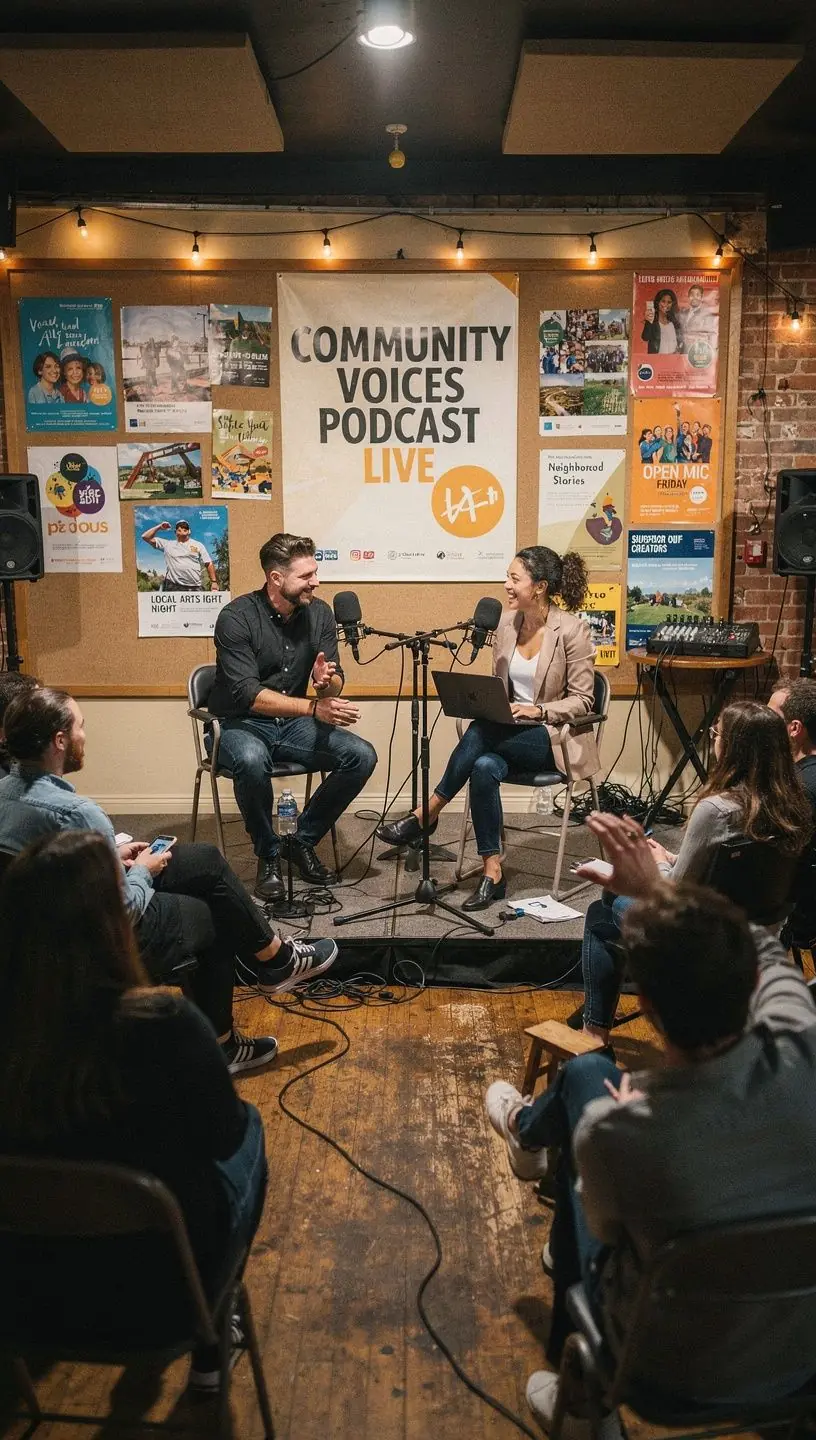
"Board games encourage interaction and cooperation, which are fundamental elements in building strong community ties."
How Board Games Foster Connections
The mechanics of board games can significantly contribute to community interaction. Here are several ways board games help build community:
- Encouraging Communication: Many board games require players to discuss strategies, negotiate trades, and share ideas. This interaction often leads to deeper conversations and relationships.
- Creating Shared Experiences: Playing games together creates lasting memories and shared experiences, which are essential for bonding. Studies show that shared experiences can increase feelings of connection and belonging within a group.
- Inclusivity: Board games often have varying levels of complexity, making them accessible to a wide range of age groups and skill levels. This inclusivity can bring diverse groups together, fostering a sense of community among participants.
Practical Application in Local Communities
Implementing board game events can be an effective strategy for local community organizations looking to enhance engagement. Here’s how communities can leverage board games for this purpose:
- Organize Regular Game Nights: Hosting weekly or monthly board game nights encourages regular participation and allows individuals to develop relationships over time. This format typically takes a few hours and requires minimal setup.
- Create Themed Events: Incorporating different themes, such as trivia nights or strategy game competitions, can attract diverse groups and keep the experience fresh and engaging.
- Facilitate Learning: Consider hosting workshops where attendees can learn new games together. This not only promotes interaction but also provides an opportunity for individuals to engage in a shared learning experience.
Challenges and Considerations
While board games can be a powerful tool for building community, there are limitations to consider. Time commitment is one factor; establishing a strong community through gaming often requires consistent gatherings over several weeks or months. Additionally, some individuals may feel intimidated by certain games, which could hinder participation. Therefore, it’s essential to choose games that are welcoming to newcomers and ensure a supportive environment.
Conclusion
In summary, board games can play a vital role in building community by promoting communication, creating shared experiences, and fostering inclusivity. While achieving meaningful connections may take time and effort, the rewards are significant. By organizing board game events and encouraging participation, communities can strengthen their ties and create a more connected environment for all members.
Learn More