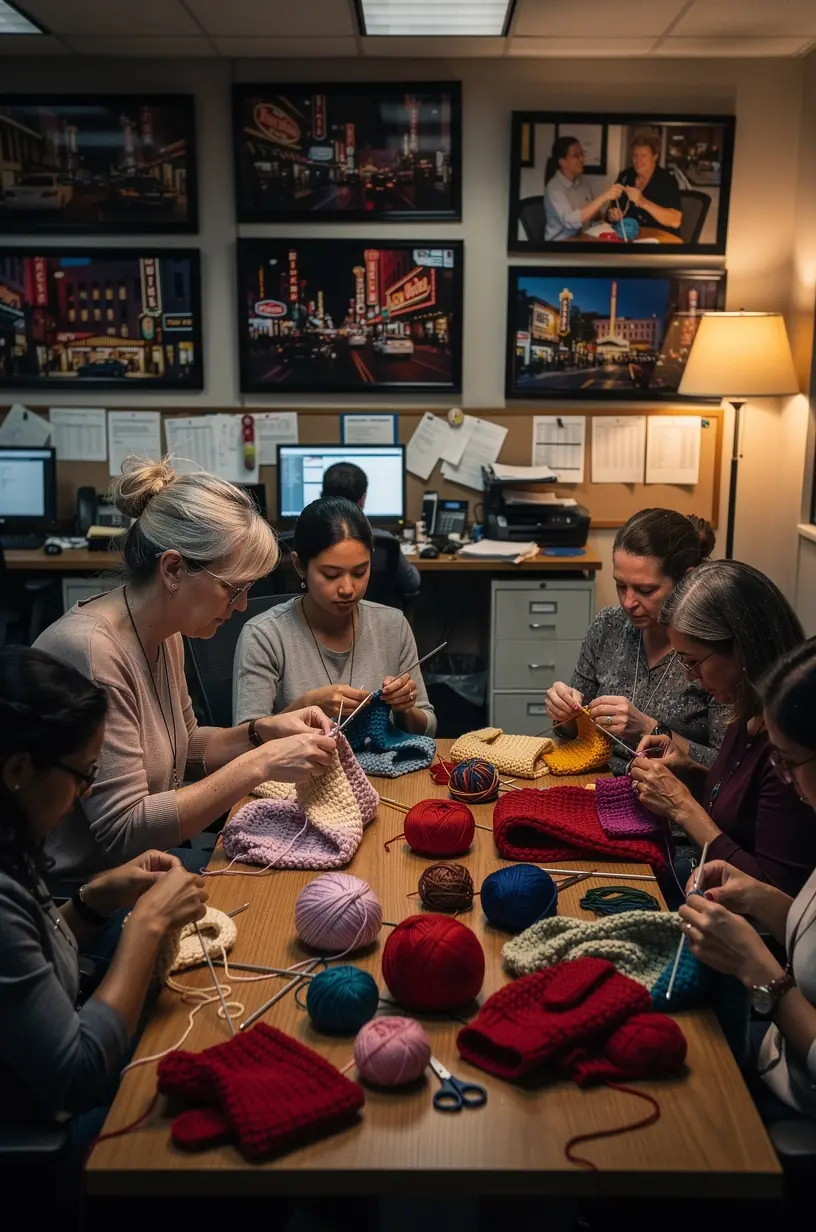
Navigating the Logistics of Hosting Local Events
Hosting local events can foster community engagement and provide enriching experiences. However, effective logistics planning is crucial to ensure these events are successful and enjoyable for participants.
Understanding the Basics
Organizing a local event involves a range of logistical considerations—from venue selection to attendee management. Research shows that successful events often result from thorough preparation and clear communication. Experts recommend starting with a detailed plan that outlines each step of the event process.

"A well-organized event can significantly enhance community relationships and participant satisfaction."
Key Steps to Successful Event Planning
- Define Your Objectives: Understanding the purpose of your event is essential. Whether hosting a discussion club, board game night, or small concert, having clear goals helps guide your decisions.
- Choose the Right Venue: The venue should align with your event's objectives and audience size. According to industry standards, venues that are easily accessible and adequately equipped can enhance participant experience.
- Budget Wisely: Create a realistic budget that includes venue costs, materials, promotion, and potential contingency funds. Many users report that detailed budgeting helps prevent overspending and financial stress.
Considerations for Attendee Engagement
Engagement during events is key to their success. Here are some strategies that can help:
- Promote Effectively: Use social media platforms and local community boards to increase visibility. Research indicates that targeted promotion can significantly boost attendance rates.
- Encourage Interaction: Incorporate activities that facilitate interaction among attendees. Many experts suggest using icebreakers or group discussions to create a welcoming atmosphere.
- Gather Feedback: After the event, solicit feedback from participants. This can provide insights into what worked well and what could be improved for future events.
Acknowledging Challenges
While planning an event, it's important to recognize potential challenges:
- Time Commitment: Organizing an event typically takes 2-4 weeks, depending on the scale and complexity. It's crucial to allocate sufficient time for planning and execution.
- Resource Management: Securing the right resources—such as volunteers, supplies, and equipment—can be challenging. Having a clear strategy for resource allocation can mitigate this issue.
- Contingency Planning: Events can face unexpected challenges, from inclement weather to technical issues. Developing a contingency plan ensures you are prepared to tackle these unforeseen circumstances.
Conclusion
Successfully hosting local events involves a combination of careful planning, clear objectives, and proactive engagement strategies. By acknowledging potential challenges and preparing accordingly, you can create enjoyable experiences that strengthen community ties. Remember, while the process may involve significant effort, the rewards—both in engagement and community spirit—can be substantial.
Learn More