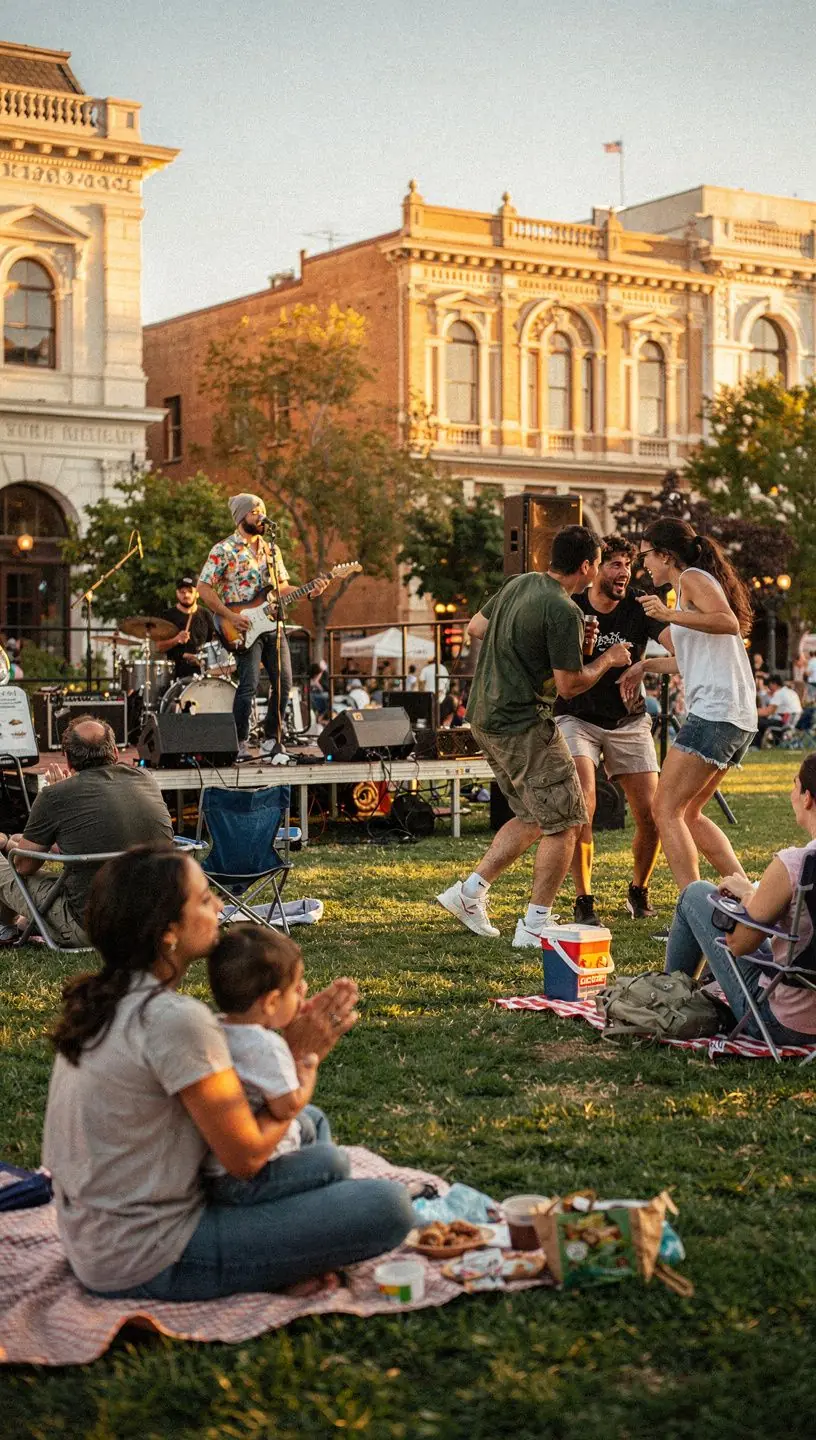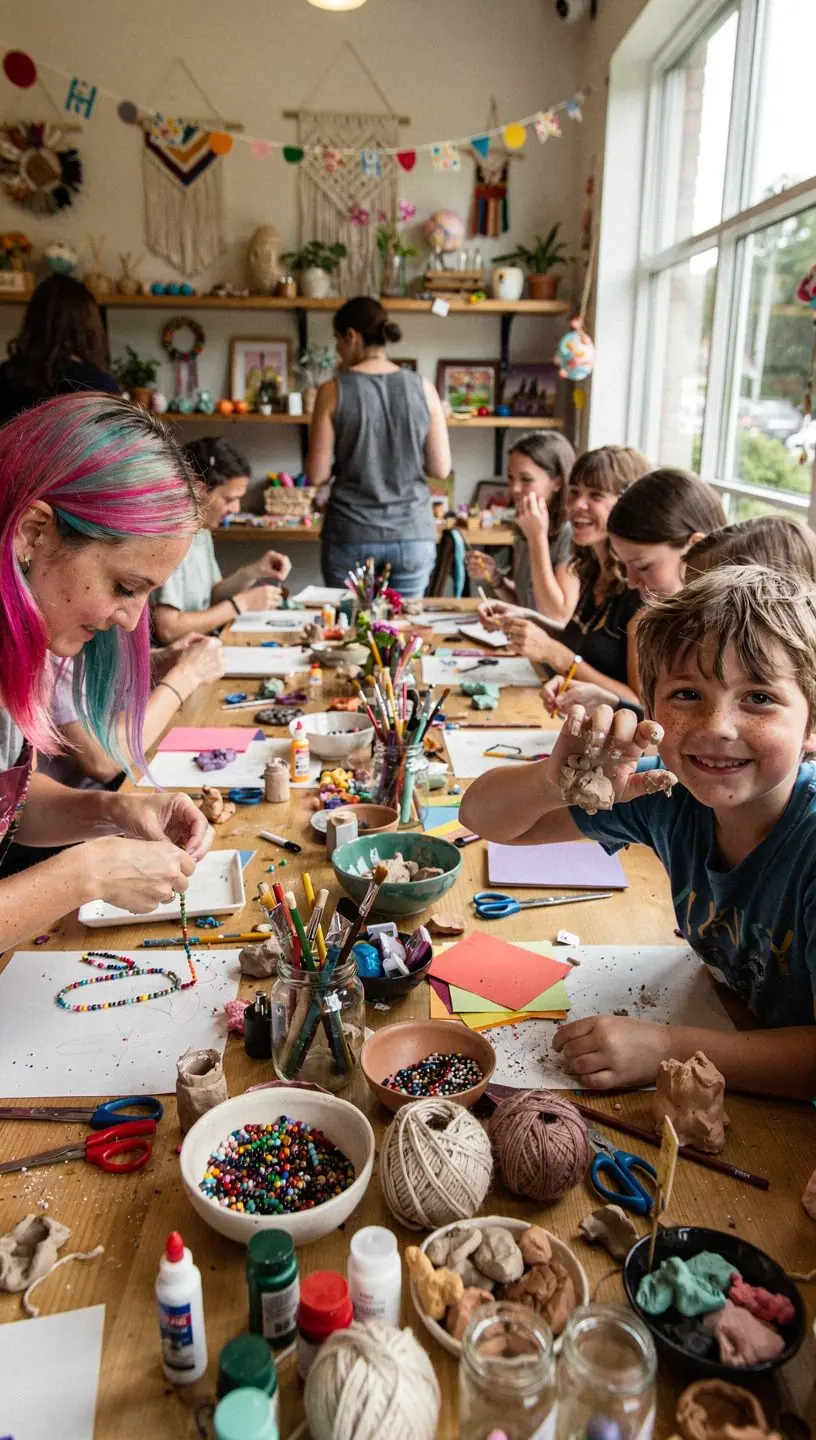
How to Measure Success in Community-Focused Events
Measuring the success of community-focused events involves more than just counting attendees. By understanding various metrics and applying effective strategies, organizers can gain valuable insights into their events’ impact.
Defining Success in Community Events
According to studies, success in community-focused events can be defined through multiple criteria, including attendee satisfaction, engagement levels, and long-term community impact. Each of these aspects can provide insights into the effectiveness of an event.

"Success is not just about the number of attendees, but also about how they experienced the event and its lasting effects on the community." - Community Engagement Expert
Key Metrics to Consider
When evaluating your event's success, consider the following metrics:
- Attendance Numbers: While higher attendance can indicate interest, it doesn't necessarily reflect engagement or satisfaction.
- Participant Feedback: Collecting surveys from attendees post-event can provide qualitative insights into their experiences.
- Social Media Engagement: Monitoring social media interactions can help gauge the event's reach and the community's enthusiasm.
- Return Rates: Higher rates of return participants in future events can indicate a successful experience that resonates with the community.
Effective Strategies for Measuring Success
Implementing the following strategies can enhance your ability to measure event success:
- Set Clear Goals: Establish specific, measurable objectives for your event beforehand. Goals could include attracting a certain number of participants or achieving a targeted engagement level.
- Use Pre- and Post-Event Surveys: Research indicates that pre-event surveys can help set expectations, while post-event surveys can offer insights into what worked and what didn't.
- Analyze Engagement Data: Leverage event technology to track engagement data, such as session participation and networking opportunities, to understand attendee interactions better.
- Gather Community Feedback: Creating opportunities for community members to express their thoughts post-event can provide critical insights into the event's impact.
Acknowledging Limitations
It’s important to recognize that measuring success is not without its challenges. Gathering reliable data typically requires time and effort. Feedback surveys need to be designed thoughtfully, as poorly constructed surveys can lead to misinterpretation of results. Additionally, the effectiveness of strategies may vary based on the community’s unique characteristics and the type of events being organized.
Conclusion
Measuring success in community-focused events is a multifaceted process that requires an understanding of both quantitative and qualitative metrics. By setting clear goals, utilizing effective feedback mechanisms, and acknowledging the limitations of your measurement strategies, you can gain valuable insights that will help improve future events. Through this approach, organizers can not only enhance attendee experiences but also contribute positively to the community.
Learn More